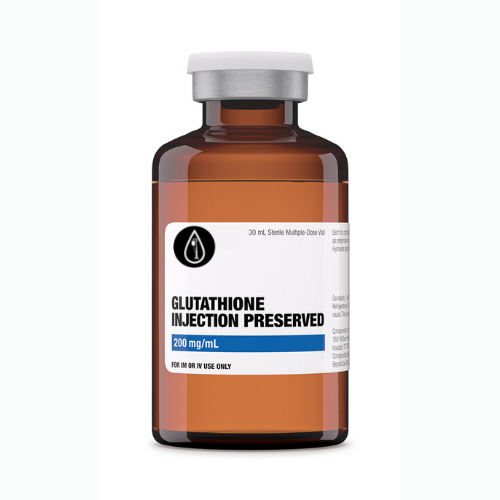
They could be labeled in: Milliliters Units (normally marked Units for insulin syringes) When youre ready, open the package that contains the syringe Then, open the package that contains the needle and screw it on to the syringe Draw air into the syringe by pulling the plunger back to the correct dosage Now, uncap the syringe and set the cap to the side Inject the needle into the vial Flip the needle and vial over slowly pushing the plunger all the way in and making sure the needle is below the surface of the medicine (this decreases the chances of developing bubbles in the barrel of the syringe) Slowly pull the plunger back down, continue drawing the medicine into the barrel until it contains the correct dose (if you notice any large air bubbles, you need to remove them
, the covalent binding of NAPQI to the thiol groups of critical cellular proteins (following glutathione depletion), oxidative stress induced directly by NAPQI or via coproduction of reactive oxygen species (superoxide radical and hydrogen peroxide) through redox cycling between the paracetamol semiiminoquinone radical and NAPQI) (1, 2), and vice versa, these processes counteraction may be involved in BPC 157 beneficial effects
[DOI] [PMC free article] [PubMed] [Google Scholar] 25.Homma S., Azuma A., Taniguiche H., Ogura T., Mochiuki Y., Sugiyama Y., Nakata K., Yoshimura K., Takeuchi M., Kudoh S
BPC-157 has no FDA-approved human therapeutic application, and published human pharmacokinetic data for this exact finished product and dose could not be verified in the peer-reviewed literature reviewed for this article
So as we take K2 out from underneath the radar, I am linking Shabirs article below where he takes a look at the causes of a vitamin K deficiency and the best sources of K2, recommending Super K to help correct deficiencies